Kenyan food changes noticeably as you travel: coconut and spice on the Swahili coast, freshwater fish around Lake Victoria, mashed staples in the central highlands and grilled meat almost everywhere. If your 2026 itinerary covers more than one region, plan a few meals around local specialties rather than eating only at your lodge.
This guide covers what each region is known for, how to read a menu, dietary notes and basic food-safety habits. It names dishes, not restaurants, because individual venues open, move and close; ask your accommodation or guide for a current recommendation when you arrive.
The dishes you will see everywhere
A handful of foods appear across the country, from roadside kiosks to hotel buffets:
- Ugali: a firm maize-flour staple shaped by hand and used to scoop up stews, greens and grilled meat or fish.
- Sukuma wiki: leafy greens, usually collards, cooked with onion and tomato. It is the standard side for ugali.
- Nyama choma: Swahili for “grilled meat,” often described as Kenya's unofficial national dish. Goat is traditional, but beef and chicken are common. It is usually seasoned simply with salt and cooked slowly over charcoal.
- Kachumbari: a fresh relish of tomato, onion, coriander and chili, sometimes with lime.
- Chapati: a soft, layered flatbread served with beans, stews or grilled meat.
- Mandazi: a lightly sweet fried dough eaten at breakfast or with tea.
Once you recognize these, a Kenyan menu becomes much easier to read. Most regional dishes are a variation on a starch, a stew or a grill.
Regional specialties at a glance
| Region | Signature dishes | Where to look for them |
|---|---|---|
| Swahili coast (Mombasa, Malindi, Lamu, Diani) | Chicken biryani, pilau, samaki wa kupaka, mahamri, viazi karai, mbaazi | Old-town eateries, street stalls in the evening, hotel restaurants |
| Central highlands (Nyeri, Murang'a, Mount Kenya) | Mukimo/irio, githeri, beef stew with chapati | Local hotels (cafés), family-run restaurants, farm-stay lodges |
| Western Kenya (Kisumu, Kakamega, Busia) | Fried or grilled tilapia, omena, chicken stews, mrenda and other greens | Lakeshore fish restaurants, local markets |
| Rift Valley (Eldoret, Kericho, Naivasha, Mara) | Nyama choma, mursik, ugali with greens | Roadside grills, local butcheries with grills, homestays |
| Nairobi | Mutura, chapati and beans, nyama choma, dishes from every region | Evening street grills, workers' cafés, mall food courts |
Swahili coast: rice, coconut and spice
The coast has its own culinary history, shaped by Bantu, Arab, Persian, Indian and Portuguese influences and by the old Indian Ocean spice trade. Cloves, cardamom, coconut milk and tamarind all show up regularly.
Spiced rice is the centerpiece. Pilau is rice cooked with spices and usually meat; biryani is layered and richer, and chicken biryani (biryani ya kuku) is a coastal favorite. Samaki wa kupaka is grilled fish finished in a coconut sauce, and kuku paka is the chicken equivalent, a coconut curry that shows the Indian influence on the coast.
For breakfast, look for mahamri, a fried bread flavored with cardamom and coconut milk. It differs from the plainer mandazi and is often eaten with mbaazi, pigeon peas cooked in coconut milk. In the evening, street vendors in Mombasa, Lamu and Diani sell viazi karai (battered, fried potatoes), samosas and mishkaki (grilled meat skewers). For drinks, try madafu (fresh coconut water), tamarind juice or kahawa chungu, a strong, unsweetened coffee spiced with cloves.
Coastal meals are often shared from a single large round plate. Lamu Old Town, a UNESCO World Heritage Site, is a good place to experience Swahili home-style cooking at a slower pace.
Central highlands: mashes, beans and stews
Fertile volcanic soil around Mount Kenya produces potatoes, maize, beans and greens, and the dishes reflect that. The best-known are associated with the Kikuyu community.
Mukimo, also called irio in many tourist guides, is potatoes mashed with greens, maize and often peas or beans, sometimes with green bananas. It comes alongside beef stew or grilled meat. Githeri is a one-pot dish of maize and beans, cooked plain or with potatoes, vegetables and meat in a tomato-based sauce. It is filling and inexpensive, and it is easy to find as a vegetarian option.
If you stay at a lodge near Mount Kenya or the Aberdares, ask whether the kitchen serves any local dishes. Many default to an international menu unless asked.
Western Kenya: Lake Victoria fish and traditional greens
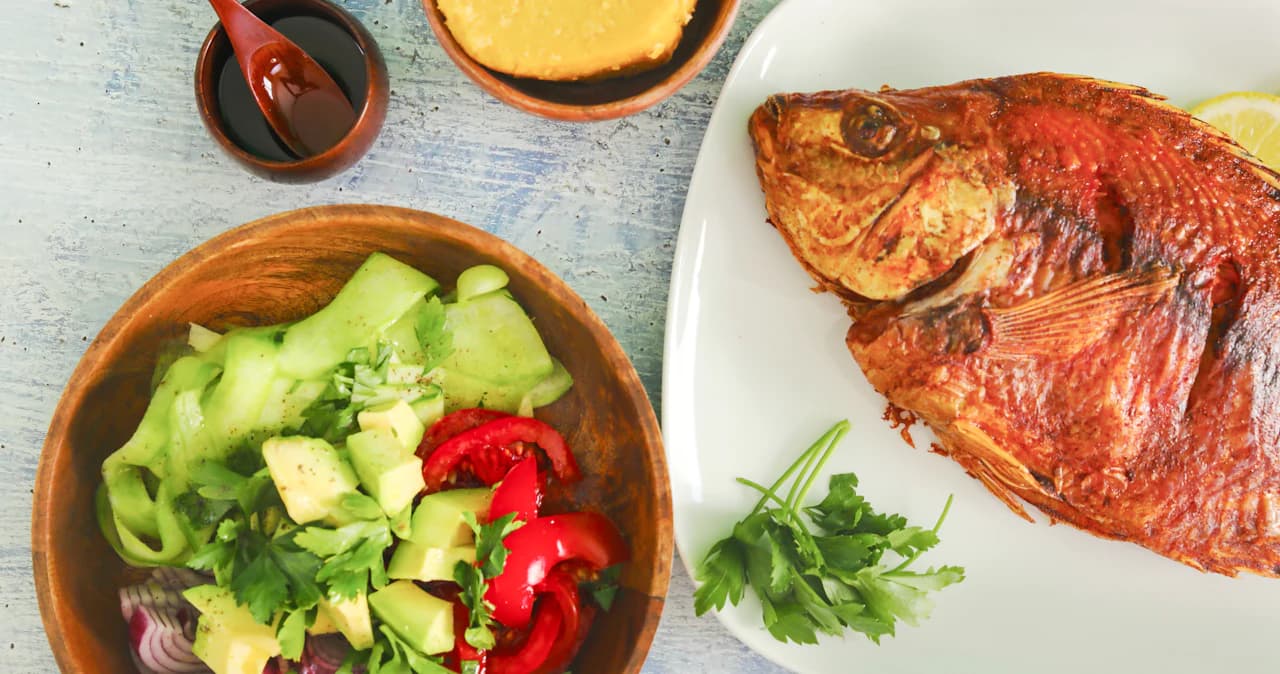
Around Kisumu, the food is built around Lake Victoria. Tilapia is fried or grilled whole over charcoal and served with ugali, greens and kachumbari. Eating with your hands is normal here. Omena, small silver fish from the lake that are usually dried and then stewed with tomato and onion, is a staple in Luo households.
Dunga Beach, on the lakeshore outside Kisumu town, is a well-known spot to watch fishing boats come in and to eat fish cooked nearby. The lakeshore food scene has changed in recent years (some older eateries along the shore were demolished in 2019), so ask locally which places are operating before you go.
Further north among Luhya communities, chicken has strong cultural weight and is traditionally served to honor guests and at ceremonies. Look for ingoho, chicken roasted or stewed and served with ugali. Traditional greens are also worth trying, including mrenda (jute mallow), which becomes smooth and slightly slippery when cooked and is often prepared with milk, as well as African nightshade and amaranth.
Rift Valley: grilled meat and fermented milk
Livestock is central to life across much of the Rift Valley, and nyama choma is the social meal: you usually choose meat by weight at a butchery-grill, wait while it cooks, then share it with ugali and kachumbari.
The region's most distinctive item is mursik, a Kalenjin fermented milk. Milk is boiled, cooled and fermented in a gourd lined with charcoal from particular trees, which gives it a smoky, sour taste and sometimes a bluish tint. It is closely associated with the Kalenjin running community and is served at ceremonies. If you want to try it, choose a source your host or guide trusts; hygiene varies with unregulated home production.
Nairobi: every region on one map
Nairobi brings all of these traditions together. Office workers eat chapati and beans or githeri at small cafés, and evening grills sell mutura, a spiced sausage of meat, onion, herbs and blood in a casing, grilled over coals. You can also find coastal biryani, lake fish and international food. A city food walk with a licensed guide is a good way to try street food with someone who knows which stalls are busy and cooking fresh.
Ingredients, ordering and payment
Recipes vary by kitchen. Ask about the actual ingredients, cooking stock and preparation rather than treating a dish name as a guarantee that it is vegetarian or free of a particular allergen. Explain dietary needs before ordering and confirm them directly with the kitchen.
Ask whether a menu price is per person, per plate or for a shared dish, and whether a service charge is included. Confirm payment methods before the meal rather than assuming a small stall accepts a foreign card. The Kenya money guide covers payment preparation.
For Mombasa food stops, Magical Kenya's street-food overview describes Swahili snacks and the city's food areas. Check what is currently operating when you arrive. Our route suggestions do not establish a restaurant's present menu, opening hours or prices.
Before you book flights
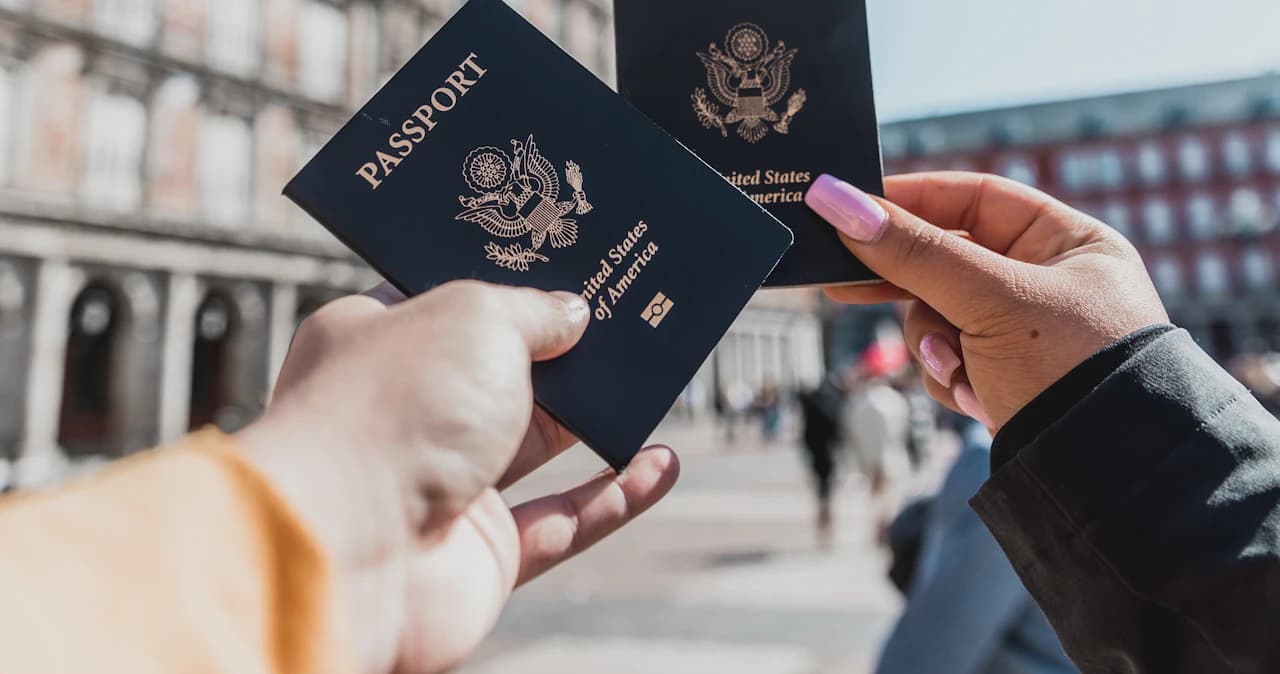
Most visitors need an approved Kenya Electronic Travel Authorisation (eTA) before travel, though some passports are exempt. Check your nationality first, then review the Kenya eTA requirements so your passport, photo and itinerary are ready.
For entry permission, use the official Kenya eTA portal and check current exemptions for your passport. Tourism bookings and entry permission are separate.
If your trip is a multi-stop safari, our safari accommodation and itinerary guide explains how to organize the details the form asks for.
Sources and review
Checked 4 November 2026. Dish descriptions are editorial guidance; recipes and availability vary by cook and location.
- Magical Kenya: cuisine
- Magical Kenya: Mombasa street food
- The Elephant: Food culture at the Kenyan coast
- Intrepid Travel: Food in Kenya, dishes to try
- Wikipedia: Mursik
- The Standard: Fish at Dunga Beach, Kisumu
- East African Journal of Arts and Social Sciences: Chicken delicacy and rituals among the Luhya
- Chuka University repository: Jute mallow use in Kakamega County
- SafariFind: Money, cards and tipping in Kenya 2026
- Kenya eTA: official application portal